
Story-sharing programme found to ease polarisation in secondary school research

Researchers from the University of Oxford and The Ohio State University have reported that storytelling interventions can reduce affective polarisation and strengthen interpersonal understanding among school pupils.

The study provides measurable evidence that exchanging personal experiences encourages empathy, supports active citizenship and improves social connection.

The controlled, long-term research assessed a storytelling initiative delivered across five school districts in Kentucky, working alongside Narrative 4, a global non-profit focused on using narrative exchange to drive social impact.

Outcomes for students who took part were compared with those in a non-participating control group. “This study highlights how personal storytelling can bridge divides and foster meaningful human connection,” said Lee Keylock, Vice President of Global Impact at Narrative 4.

The study, Promoting Empathy, Connection, and Pro-Sociality in American High Schools: A Collaboration Between Academics and Practitioners, followed 380 pupils in the 10th and 11th grades, aged between 15 and 17, during the 2024–2025 school year and included participants from across the political spectrum.

Researchers Dr Emily Kubin of the University of Oxford and Dr Kurt Gray of The Ohio State University measured empathy, curiosity, perspective-taking, classroom climate and civic readiness before and after the young people shared stories with one another. Compared to students in the control group, the study found that students who participated in the storytelling intervention experienced the following key benefits:
  • Intervention participants experienced reduced political polarisation, with affective polarisation toward political opponents decreasing by 4.37%.
  • Those who participated in the storytelling intervention gained empathy not only towards their classmates (+13.30%), but also towards people in their communities who are different from themselves (+10.62%).
  • Respect for others in class (+5.40%) and people students disagree with (+7.24%) also increased.
Participants who engaged in Narrative 4 programmes (as compared to those who did not) experienced an increase in perspective-taking, i.e. the act of perceiving a situation from a different point of view, such as that of another person.

Perspective-taking towards classmates increased by 6.35%, while perspective-taking towards people different from themselves increased by 6.78%. The research also showed gains in active listening and curiosity in the classroom, as well as willingness to become involved in civic engagement and engage with diverse perspectives (+8.99%).

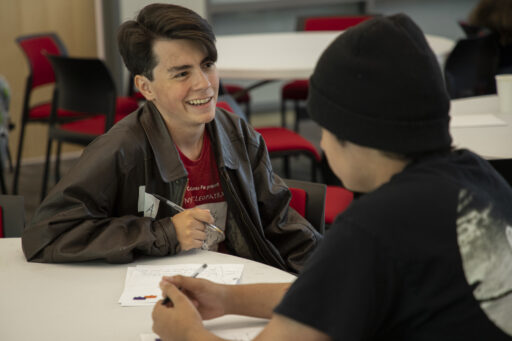
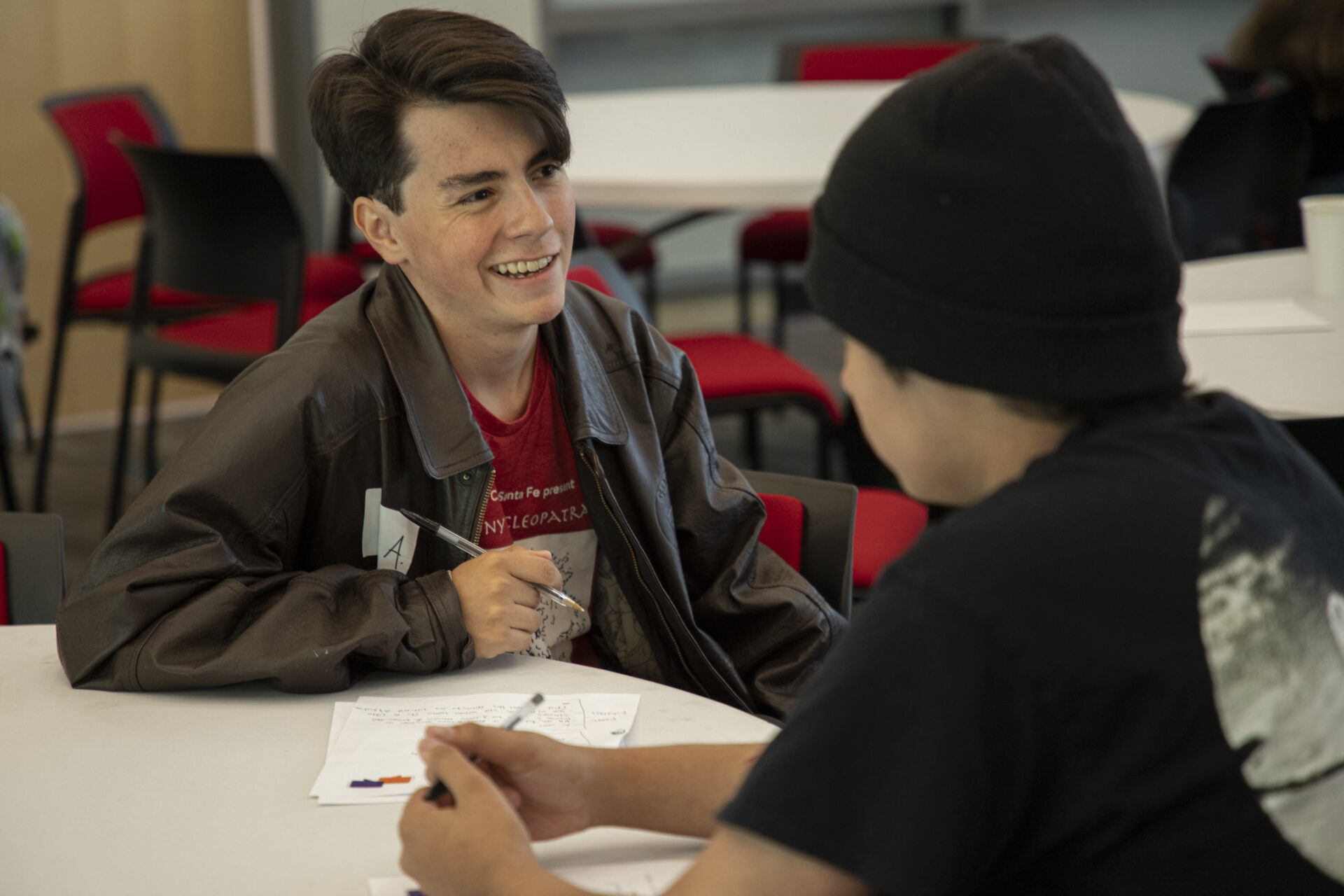
The intervention, Narrative 4’s Story Exchange methodology, has been used in over 30 countries around the world, with more than one million stories shared to date. The Story Exchange is a structured group workshop in which participants prepare a story about a significant personal experience and share this story with a partner. Participants then retell their partner’s story to the group in the first person, as if it were their own.

Dr Emily Kubin, University of Oxford, commented: “At a time when polarisation is rising, Narrative 4 programmes show promise as a tool to decrease division in diverse classrooms and communities. Our research points to the intervention’s promise for other schools across the United States and beyond.”
Dr Kurt Gray, The Ohio State University, added: “We find storytelling-based interventions highly successful in promoting empathy, curiosity, and perspective taking. This programme also promotes pro-sociality by increasing civic engagement, respect for others and even reducing affective polarisation.”
After more than a decade of work in schools in the United States, the organisation has launched a pilot programme in primary and secondary schools across the UK, where teachers are trained in practical storytelling tools to foster a culture of connection.
“Across the globe, young people are facing a crisis of connection,” said Lee Keylock, British-born, US-based Vice President of Global Impact at Narrative 4. “We don’t have to agree with one another, but we absolutely must try to understand one another. In the end, the shortest distance between us is a story.”

Leave a Reply

Your email address will not be published. Required fields are marked *