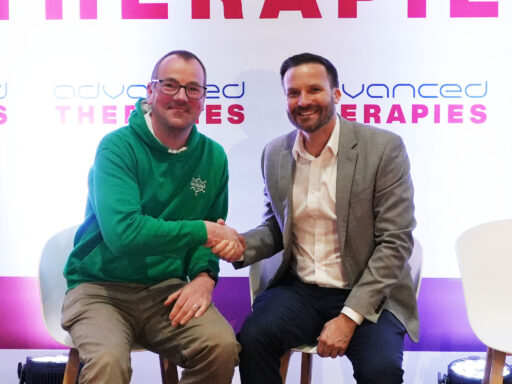



Professor Martin Whyte, Consultant Physician and Associate Professor of Metabolic Medicine, has confirmed that private patients can now benefit directly from the latest developments in the management of Type 2 Diabetes and Non-Alcoholic Fatty Liver Disease (NAFLD) through his clinic.
Holding academic and clinical roles at the University of Surrey and King’s College Hospital, Professor Whyte operates at the intersection of research and frontline patient care. This unique position enables him to introduce advanced therapies and emerging pharmacological treatments, including GLP-1 analogues and SGLT2 inhibitors, significantly faster than is typically possible within standard clinical pathways.
Rather than viewing metabolic health as a single measurement, Professor Whyte approaches it as an interconnected system involving the liver, pancreas and insulin response at a cellular level. His clinical model goes beyond managing blood glucose alone, focusing instead on the underlying biological causes of metabolic dysfunction.
By examining the precise drivers of insulin resistance, he develops highly personalised treatment pathways tailored to each patient’s physiology. His extensive academic work in metabolic medicine ensures that every clinical decision is informed by the most current international research.
“A diagnosis of Type 2 Diabetes or NAFLD is often a sign of a system in distress, not just a high blood sugar reading,” Professor Martin Whyte said.
“The goal is to identify exactly where the metabolic break has occurred. Whether the issue is primarily liver fat accumulation or a decline in insulin production, the strategy must be tailored. When we apply the latest research directly to patient care, we see much more effective outcomes, including the potential for disease remission.”
Professor Whyte’s clinical practice is supported by a distinguished academic background, including a PhD centred on insulin function and a body of more than 100 published research papers.
Widely recognised as a Key Opinion Leader within the medical field, he is regularly consulted on issues relating to obesity, metabolic disease and cardiovascular risk. His private clinic provides patients with the opportunity to explore complex health concerns in depth with a specialist actively contributing to advances in the field. From structured weight management programmes to interventions aimed at reversing fatty liver disease, his approach is firmly rooted in evidence-based medicine and long-term outcomes.
For patients seeking a clinician who combines academic expertise with practical, patient-focused care, Professor Whyte offers access to the next generation of metabolic treatment strategies.
For more details visit www.drmartinwhyte.com.