
With live television now available through internet based services as well as aerial and satellite reception, households changing their viewing setup need to check which equipment their chosen service actually requires.
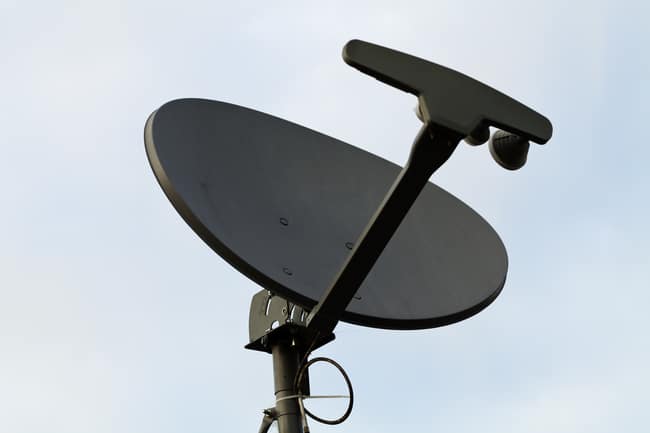
A satellite dish on the wall does not automatically suit every new receiver. Equally, a broadband connection does not mean a household’s existing satellite equipment has become unnecessary. The answer depends on the service and devices the customer intends to use.
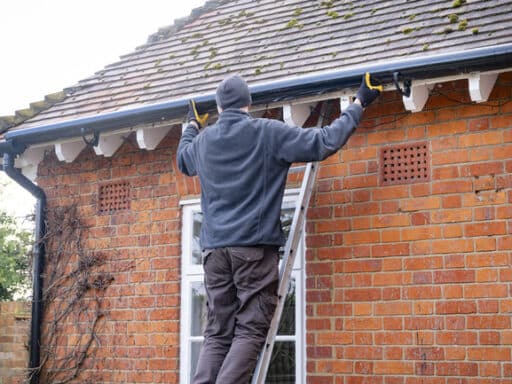
Paul Davies TV Aerial Installer provides satellite dish installation, alongside dish replacement, realignment, signal checks and support for existing satellite faults.
The changing choice of television platforms makes that conversation relevant before equipment is bought or removed. Freely, for example, describes a broadband viewing route that does not require an aerial or satellite dish for its streamed channels. Satellite viewing uses a different reception route.
Customers planning a change can start by identifying the exact service, television or receiver they want to use. A general description such as smart TV does not establish how every live channel will reach the screen.
For a satellite setup, useful questions concern the existing dish, cable connections and compatibility with the chosen receiver. If the customer is replacing equipment, sharing the model details helps make the installation enquiry more specific.
For households already experiencing a satellite signal fault, a new installation may not be the first requirement. The company’s services include checking alignment, cables and wall sockets, as well as advice on repair or replacement.
Freesat’s own help guidance identifies weather, cable connections and obstructions among the things that can affect satellite reception. It also advises contacting a qualified installer when further assessment is needed.
This distinction can help avoid an unnecessary purchase. Temporary picture loss during adverse conditions and a persistent fault after the weather has passed are different descriptions for an installer to investigate.
Customers can record when the problem happens, whether it affects every channel and any message displayed by the receiver. They should also explain whether the dish or cable has recently been disturbed, without attempting roof level adjustments themselves.
For people moving home, checking the existing setup before ordering work can reveal what is already present. A dish may be visible outside while the indoor cable route or socket needs further investigation.
The consumer decision is therefore about the whole viewing arrangement. Installation, repair, receiver compatibility and the choice of service should be discussed together, rather than assuming a dish alone completes the setup.
Keeping the receiver details, existing service information and a description of the fault together gives customers a useful reference when comparing advice and proposed work.
Paul Davies offers free quotes and local appointments subject to availability. Customers can call 0800 182 2088 with their postcode, equipment details and viewing requirements to discuss the appropriate next step.