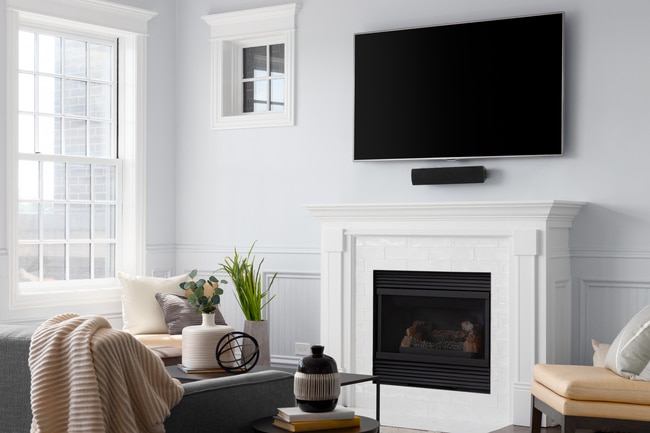

Putting a television on the wall can create a cleaner look and release floor space, but the finished result depends on decisions made before the installer starts. The wall itself, viewing angle, cable route and access to connected equipment all need to be considered as part of the plan.
The installation process starts with assessing the practical details. The wall construction, television weight, compatible bracket and location of nearby sockets can determine what installation options are available.
Mike Harris Aerial & Satellite provides a TV wall mounting service for homes, rental properties and suitable business spaces. Its installation planning considers the television, wall, viewing position and connected equipment.
The company’s service information describes fixed, tilting and full motion bracket options. It also explains that the wall type and proposed position are checked before drilling, with plasterboard installations requiring assessment of the supporting structure.
When looking at different quotations, customers should establish what is included rather than comparing prices alone. Questions can include whether the bracket is supplied, what cable work is covered and whether existing equipment will be connected. It is also important to consider whether connections can still be accessed afterwards.
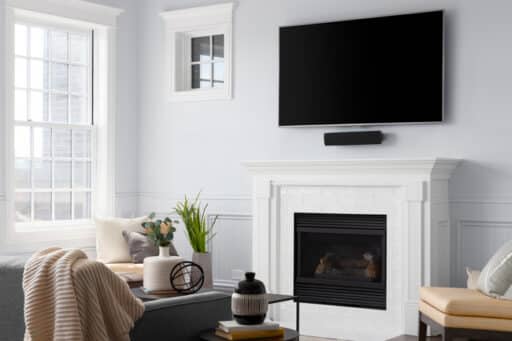
A neat installation photograph does not necessarily reveal how the work has been completed. Cables might be hidden behind the screen, enclosed in a cable cover or routed inside the wall. Customers should confirm which option is included in the quote.
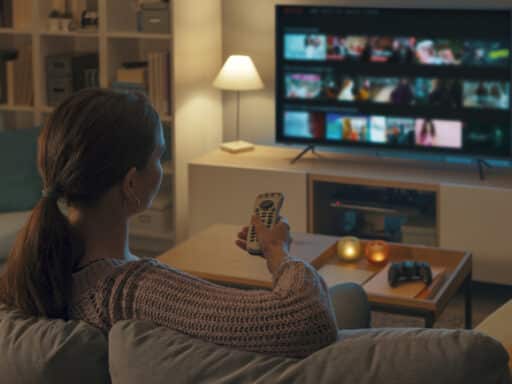
The height of the television should be considered before installation begins. Screen dimensions, seating position and the overall room layout can all influence the most practical location. A wall position that looks suitable when the room is empty may be less comfortable once viewed from the sofa.
A simple way to test the proposed location is to mark the screen outline temporarily and view it from the normal seating position. This gives everyone in the household an opportunity to agree on the height and placement before the wall is drilled.
The proposed position can also be checked for access. Furniture, doors and moving brackets may affect the amount of space available. Access to ports for games consoles, streaming equipment or future replacement devices is also worth discussing.
For rental properties, the person arranging the installation should check whether permission is needed before structural fixings or cable alterations are undertaken. The quotation should clearly state the work that has been agreed.
Business customers may need to account for different viewing requirements. A screen could be intended for a reception area, customer seating or a workplace. Discussing viewing distance and who will use the screen can help establish a suitable mounting position.
The underlying consumer message is to consider the entire television setup before agreeing to the work. The bracket is only one element, while cable arrangements, viewing comfort and future access can affect how useful the finished installation is.
Mike Harris offers free quotes based on the television, wall, bracket and cable requirements. Customers can call 0800 470 2406 to discuss their room and proposed installation.