


LONDON, UK. October 8th, 2026 – BR Accountants LTD has reported significant growth ahead of the next phase of HMRC’s Making Tax Digital (MTD) programme, with the East London-based specialist Construction Industry Scheme (CIS) firm reaching 10,000 clients and increasing its workforce by 20 per cent during 2026.
Founded in 2008, the accountancy practice has built its reputation advising contractors, subcontractors, sole traders and landlords. The firm’s latest expansion comes at a time when major changes to tax reporting requirements are beginning to affect self-employed individuals across the UK.
The growth follows the introduction of Making Tax Digital for Income Tax, which became mandatory from April 2026 for individuals with gross qualifying income from self-employment and property exceeding £50,000. The threshold is due to fall to £30,000 in 2027 before dropping again to £20,000 in 2028, bringing significantly more taxpayers into scope.
According to BR Accountants LTD, the reforms are already reshaping demand across the accountancy sector, with increasing numbers of sole traders seeking support to adapt to digital record-keeping and reporting requirements.
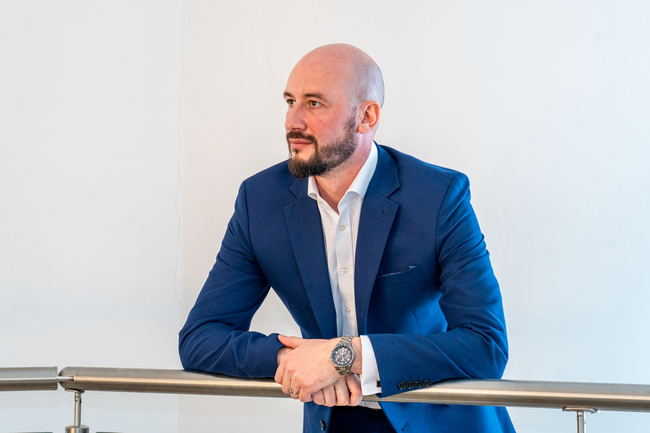
Chief Executive Ilie Batir said the wider rollout of MTD is likely to create a substantial increase in demand for specialist guidance among self-employed workers and landlords.
“Making Tax Digital represents one of the most significant administrative changes faced by sole traders in recent years. As the thresholds reduce, many more individuals will be required to adopt digital record-keeping and reporting systems, and that will inevitably create demand for guidance and support.”
The firm expects activity to increase significantly over the next two years as more existing clients move into the MTD framework, prompting further investment in staffing and operational capacity.
Alongside regulatory change, BR Accountants LTD is also adapting to the growing use of artificial intelligence within the accountancy profession. While acknowledging the efficiencies offered by AI-assisted systems, Ilie Batir said businesses should remain cautious about relying on the technology for complex compliance and advisory work.
“It is helping with certain administrative tasks and data extraction, but professional judgement remains essential. One issue with AI is that it will always try to provide an answer, even where that answer may not fully reflect the latest UK regulations or a client’s specific circumstances.
“The technology has value, but it must be tested and verified. We have seen software promoted as being fully aligned with current regulations that was already out of date. It can be a useful tool, but it should not replace professional expertise.”
Industry observers have identified both MTD implementation and AI adoption as among the most significant developments currently affecting the accountancy sector, particularly for firms serving self-employed workers and small businesses.
As part of its wider growth strategy, BR Accountants LTD is also seeking to broaden its client base. The firm has traditionally focused operating within the Construction Industry Scheme, for both sole traders and limited companies, and continues to focus on helping industry leaders stay compliant, save TAX legally and grow their business.
The company is also increasing its investment in digital communications and social media as it seeks to raise awareness of its services among business owners and growing companies.
With further MTD thresholds scheduled to take effect in 2027 and 2028, accountancy practices across the UK are preparing for a sustained period of change. For firms such as BR Accountants LTD the challenge will be to scale support services while helping clients navigate an increasingly digital tax environment.