
The clocks go back on Sunday 25 October, and for most people in Birmingham that means an extra hour in bed and darker evenings by teatime. For older residents, particularly those living on their own, it also marks the start of the months when the risk of a fall at home quietly climbs.
Birmingham already has more of a problem here than most of the country. The city’s own Joint Strategic Needs Assessment for older adults records 3,345 emergency hospital admissions for falls among people aged 65 and over in 2023/24, a rate significantly higher than the England average, even if it has been edging down. The same assessment counts 905 emergency admissions for hip fractures among older residents in the same year, around two thirds of them people aged 80 or over.
A city that’s getting older, and more of it living alone
Those numbers sit against a population that’s ageing quickly. Around 153,000 Birmingham residents are aged 65 or over today, and that’s forecast to rise to roughly 180,000 by 2033. Around a third of people of state pension age in the city live alone, which matters a great deal when it comes to falls: a fall in a shared home is usually noticed quickly, but a fall when nobody else is in the house can mean hours on the floor before help arrives.
The burden isn’t spread evenly either. The assessment notes hip fracture rates more than 50% higher than average in parts of the city including Erdington and Perry Common, a reminder that the risk follows age, health and housing as much as anything else.
Why darker months make the stairs harder
The staircase is one of the most predictable places in the home for a serious fall, and winter stacks the odds further. Darker mornings and evenings mean more trips up and down in poor light. Colder homes stiffen joints. Winter bugs leave people weaker and dizzier than usual, and many older people make a nighttime trip to the bathroom at least once, often half awake and in the dark.
Plenty of people adapt by quietly avoiding the upstairs altogether. They move a bed into the front room, wash at the kitchen sink and stop using half the house. It feels like a sensible compromise, but it often leads to less movement, weaker muscles and, in turn, a higher risk of falling elsewhere.
Simple checks worth doing before winter sets in
A few practical steps make a real difference and cost little or nothing:
- Fit brighter bulbs on the landing and stairs, and plug-in night lights or motion-sensor lights on the route to the bathroom.
- Make sure there’s a sturdy handrail, ideally on both sides of the staircase, and that it runs the full length of the flight.
- Clear the stairs completely: no piles of post, laundry or shoes “waiting to go up”.
- Check stair carpet for worn edges or loose patches, and swap loose slippers for ones with a back and a grip sole.
- Ask a GP or pharmacist for a medication review if anyone feels dizzy or unsteady, as some common prescriptions can contribute.
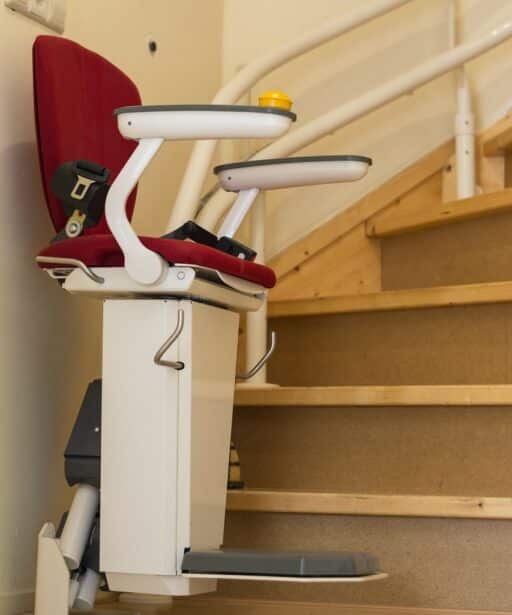
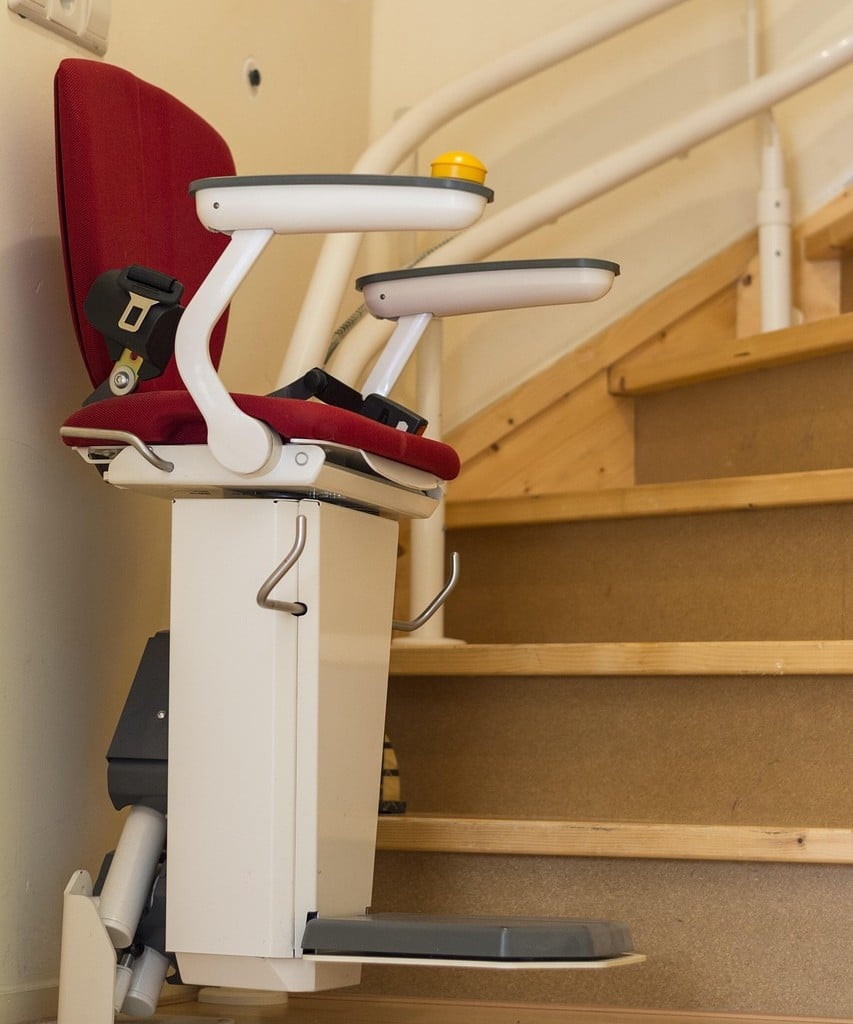
For anyone who’s already finding the stairs a struggle, though, these steps only go so far. That’s the point at which it’s worth looking properly at a stairlift, ideally before a fall forces the decision. Many Birmingham homes, from terraces to post-war semis, have a single straight flight of stairs, which tends to be the most straightforward and quickest type to fit. An occupational therapist assessment through the council is one route, and Birmingham City Council’s Disabled Facilities Grant can help with the cost for those who qualify after a means test. For families who’d rather not wait, or don’t qualify, comparing local stairlifts birmingham installers directly is usually the faster way to find out what would work on a particular staircase and how soon it could be in.
One conversation worth having this month
If there’s an older parent, grandparent or neighbour in your life, the clocks changing is a natural prompt to ask how they’re getting on with the stairs, and to actually watch them use them. Hesitation at the top step, gripping the wall, or a quiet admission that they “don’t really go up much anymore” all tell you more than a cheerful “I’m fine”. Spotting it in October is a lot easier than dealing with it after a fall in January.