


London-based precious metals specialist Browne & Turnbull is drawing attention to differences in the tax treatment of physical gold and silver products in the United Kingdom, including the distinction between Capital Gains Tax and Value Added Tax.
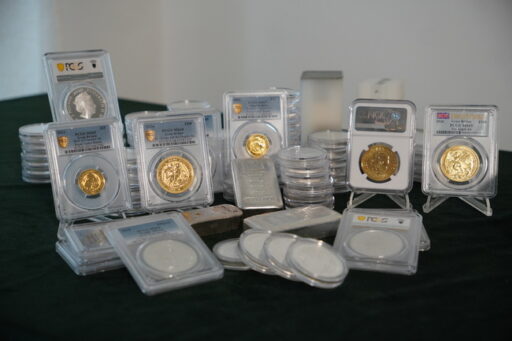
The family-run company, established in 2018, supplies physical gold and silver, including bullion products and independently certified graded coins. It says buyers benefit from understanding which product characteristics are relevant to particular tax rules.
Qualifying UK legal-tender gold coins are exempt from Capital Gains Tax for UK residents. This treatment is linked to their legal-tender status and should not be assumed to apply to every gold coin or gold bar, even where the products contain similar quantities of precious metal.
Separately, qualifying investment gold is generally exempt from VAT under UK legislation. Eligibility depends on the relevant statutory requirements and product characteristics. This is a different question from whether a particular coin is exempt from Capital Gains Tax.
Silver bullion ordinarily attracts VAT in the UK, although the treatment of a particular sale can depend on the transaction and applicable arrangements. The tax position on disposal may also vary with the type of item and the circumstances of its owner.
Browne & Turnbull notes that metal purity, country of issue, legal-tender status and independent grading each describe different aspects of a coin. Certification by PCGS or NGC concerns authenticity and condition; it does not independently confer a UK tax exemption.
Bradley Greer, Director of Browne & Turnbull, commented: “Gold and silver are often discussed together, but the tax treatment of individual products can differ. We think it is important to explain those distinctions clearly and encourage buyers to verify the rules that apply to them.”
The firm says the position should be checked against current HM Revenue & Customs guidance, particularly where circumstances are unusual or significant sums are involved. General product information should not be treated as personalised tax advice.
Tax treatment is only one factor in physical precious metals ownership. Buyers may also consider retail premiums, changes in market price, secure storage, insurance and the possibility of receiving less than their original purchase price on resale.
Different products may attract distinct levels of collector interest. That can influence market premiums independently of a coin’s tax classification, so a favourable tax status should not be assumed to guarantee a favourable overall financial outcome.
Browne & Turnbull’s website provides details of its available physical gold and silver products. The company serves private buyers and collectors throughout the United Kingdom and offers insured delivery arrangements.
The business says clear descriptions of individual products are essential when customers compare conventional bullion with collectible and certified issues. It recommends independent professional advice whenever buyers need guidance tailored to their personal position.