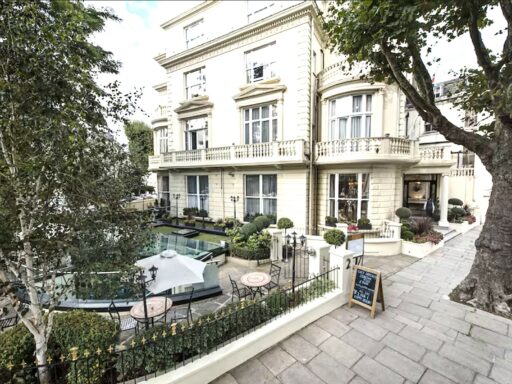


Liverpool will host a major maritime heritage event in early 2026 as the story of the RMS Titanic returns to the city long regarded as its spiritual home. From January 2026, a globally significant collection of Titanic artefacts will be exhibited inside the former White Star Line headquarters, now known as the White Star Line Hotel.
Taking place from 8 January to 10 March 2026, Titanic in Focus: White Star Line Hotel will offer visitors a rare opportunity to engage with the ship’s history inside the Grade II* listed building where her operations were once overseen. The exhibition represents a symbolic homecoming, reconnecting the physical remains of the vessel with the Liverpool setting in which her story was planned and managed.
The exhibition has been carefully curated to follow the full arc of Titanic’s history. Visitors will be guided through the liner’s design ambitions and construction in Belfast, shaped by the influence of Liverpool’s maritime leadership. The story then moves through the elegance of the maiden voyage before transitioning into a measured and respectful exploration of the disaster in the North Atlantic.
A further section focuses on the ship’s rediscovery in 1985, featuring artefacts recovered from the wreck site nearly two miles beneath the ocean’s surface. These objects provide a powerful connection between the historic tragedy and modern exploration.
- The Aft Grand Staircase: Guests will stand before the largest surviving section of this iconic feature. Its intricate woodwork provides a direct look at the Edwardian luxury that defined the White Star Line’s Olympic-class vessels.
- Wreckage Artefacts: A centerpiece of the collection is an intact wooden deck chair, recovered from the ocean surface by a cable ship in the days following the disaster—one of the few pieces of furniture to survive the North Atlantic elements.
- Wallace Hartley’s Sheet Music: In a deeply emotional display, the exhibition features a poignant fragment of sheet music belonging to Wallace Hartley. The Lancashire-born bandleader famously led his musicians in prayer and song until the ship’s final moments.
- Personal Archives: Rare, handwritten letters and telegraphs illuminate the human stories of the crew and passengers, detailing their hopes for a new life in America and their final messages home.
The location itself adds exceptional historical weight. The White Star Line building served as the operational centre of the company, and it was from the balconies of 30 James Street that officials once announced the names of survivors and victims to crowds gathered below.
“To bring these items back to 30 James Street is to complete a circle that began over a century ago,” says the exhibition’s lead curator. “This isn’t just a display of objects; it is a homecoming. Seeing these artefacts within the same wood-paneled rooms where J. Bruce Ismay and Thomas Andrews discussed the ship’s blueprints creates a powerful, almost electric atmosphere.”
With international interest expected and visitor numbers limited by the historic setting, organisers anticipate strong demand for tickets. Members of the public, historians, and maritime enthusiasts are advised to book early to avoid missing this unique exhibition.