
BICESTER, UK. September 2nd, 2026 – Transense Technologies plc and Unison, part of GE Aerospace, are drawing attention to the progress enabled by their work together on advanced torque-sensing technology for emerging hybrid-electric aerospace propulsion systems.
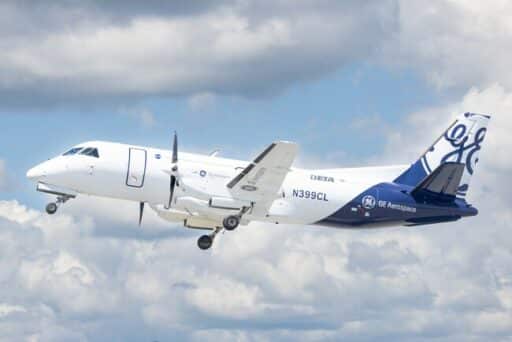
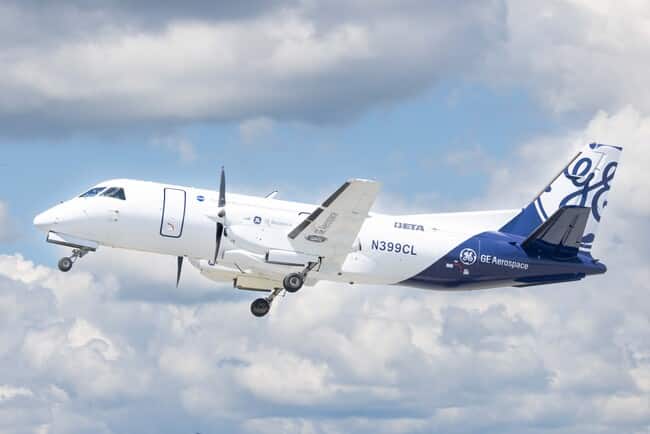
The technology supported two significant aviation milestones: the first hybrid-electric flight above 30,000 feet and the first hybrid-electric transatlantic crossing. The achievements were showcased at the prestigious Farnborough International Airshow.
The application paired Transense’s SAWsense torque sensing technology with Unison’s expertise in aerospace engineering, industrialisation, qualification, and integration.
Transense delivered the underlying sensing technology, while Unison adapted and developed the solution to meet the requirements of the airborne demonstration at one of the world’s leading aerospace events.
The successful demonstration reflects the continued development of technologies that could contribute to more efficient hybrid-electric propulsion concepts for future aircraft.
“This is an important milestone for advanced propulsion development and for the role of torque sensing in future aircraft propulsion technologies,” said Ryan Maughan, Managing Director of Transense Technologies plc.
“We are proud to see our foundational SAWsense technology incorporated into Unison’s industrialised solution and successfully demonstrated at the prestigious Farnborough International Airshow.”
For aviation technology developers, the demonstration provides a practical example of how advanced sensing technology can move from initial development through to flight-relevant use, supporting the wider transition toward next-generation aircraft propulsion.
“The flight demonstration at Farnborough reflects the strength of combining differentiated sensing technology with aerospace application engineering, qualification and integration,” said Josh Friedman, Engineering Leader at Unison.
“We value our long-standing relationship with Transense and the role this collaboration plays in advancing next-generation propulsion technology development.”
The work demonstrates the benefits of combining complementary expertise in sensing and aerospace system application to advance propulsion technologies designed around improved efficiency, lower emissions, and longer range.