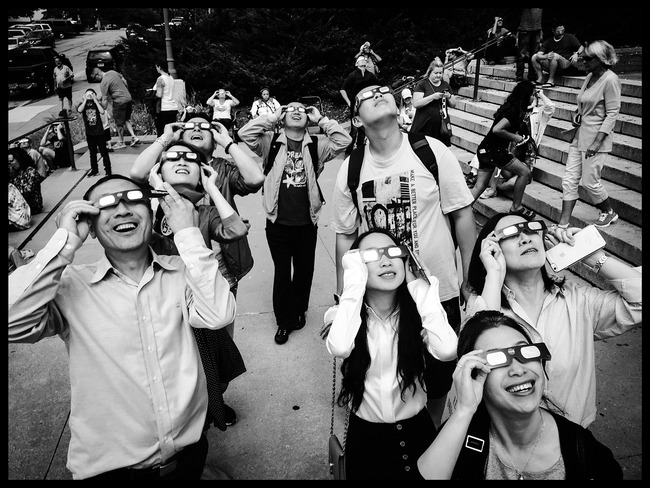

BATH, UK. August 11th, 2026 – The charity, Eye Health UK, is warning people’s sight is being put in danger due to poor availability of certified eclipse viewing glasses.
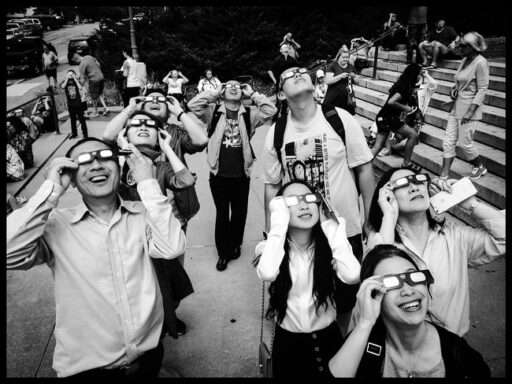
The UK will experience its most spectacular solar eclipse in a generation when the moon covers 90% to 96% of the sun on 12 August 2026. And, whilst many of us will be keen to watch this celestial event, direct viewing without specialist equipment risks sight-threatening eye damage.
Seventy people suffered serious eye damage[1] following the last major eclipse visible in the UK, with many of these people only glimpsing the sun for a matter of seconds before damage occurred.
Yet, availability of certified solar glasses – those conforming to ISO 12312-2:2015(E) safety standard – is poor. Unlike in 1999, when solar glasses were available from major supermarkets and hundreds of high-street retailers, this year store availability is scarce.
Orders from online retailers are now not guaranteed to arrive until after Wednesday’s spectacle. This has triggered many social media threads with people desperately asking where they can find solar glasses ahead of Wednesday (12th August).
David Cartwright, chair of the charity Eye Health UK, said: “We’re urging people not to be tempted to look at the eclipse without proper protection. If you’re unable to purchase a pair of certified solar glasses, it’s vital you view it indirectly. Failing to protect your eyes whilst looking towards the sun can lead to solar retinopathy – central blind spots, blurred or distorted vision, and light discomfort.”
Anyone who experiences changes to their vision after viewing the eclipse should seek medical attention from an optometrist or healthcare professional right away.
Do’s and don’ts for viewing the eclipse
Eye Health UK says the safest way to view the event is on the television or via an online livestream.
David Cartwright added: “Only view directly if you’re wearing specially designed solar glasses, conforming to the ISO 12312-2:2015(E) safety standard, or a welder’s helmet rated No 14 or higher. These should be fitted to your face securely before turning to view the eclipse.
“Check that your certified solar glasses are intact and do not have marks or tears. Don’t be tempted to let your child wear adult-sized solar glasses to view the eclipse – solar glasses should fit your face well.
“Don’t view the eclipse directly through a telescope, binoculars or camera under any circumstances, including whilst wearing solar glasses.
“NEVER view the eclipse wearing sunglasses, even those with very dark tints.”
An alternative and safe way to view the sun’s disc is by indirect projection using a ‘pinhole camera’ or colander.
David Cartwright explained: “Take two thin, but stiff, pieces of white cardboard. Punch a small, clean pinhole in one piece of cardboard. Don’t make the pinhole too big or you will only have a shaft of sunlight rather than an image of the crescent sun. Stand with your back to the sun, holding up the piece of cardboard with the hole in it. Hold the other piece of cardboard as a ‘screen’ in your other hand and move it until an inverted image of the sun appears on it. To make the image sharper, move the screen closer to the pinhole.
“Remember, do not look directly at the sun through the pinhole.”